
 Português
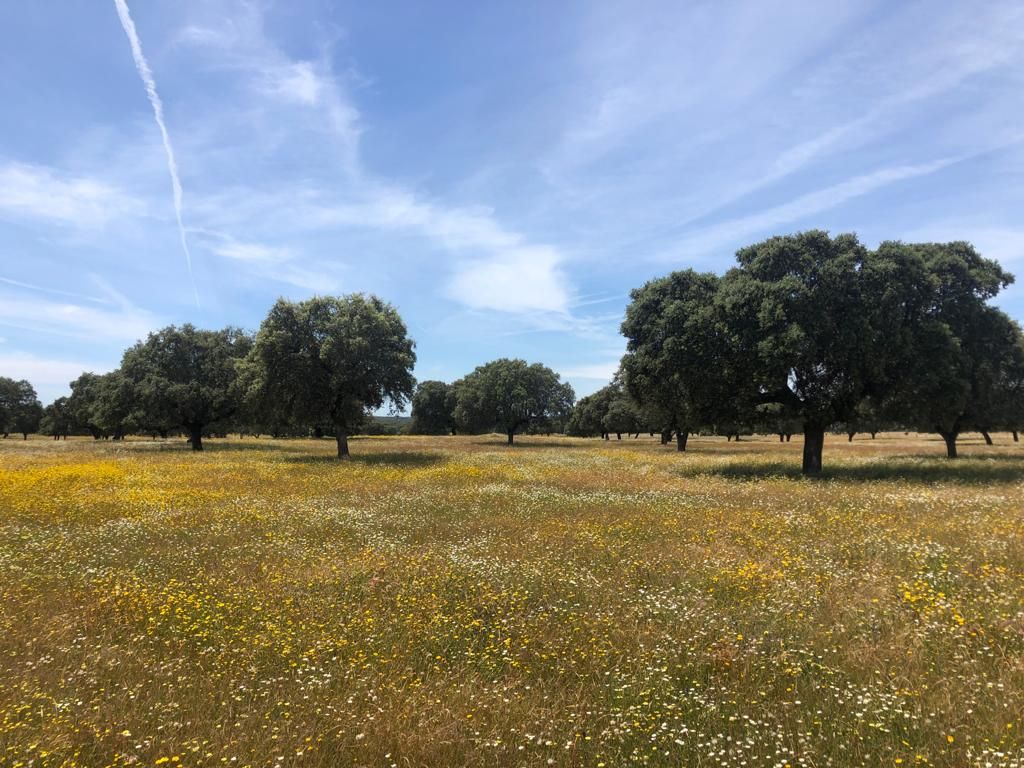
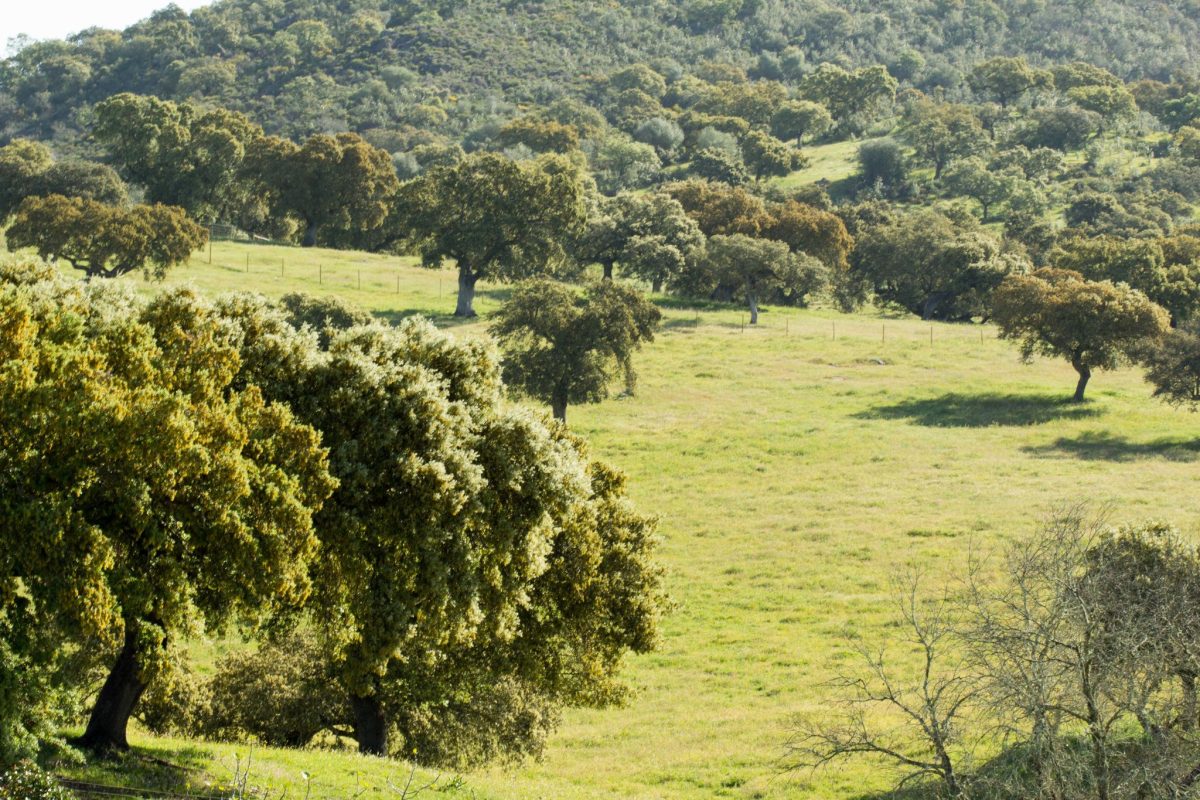
The Montado is a unique agro-silvopastoral system, characteristic of Southern Portugal, particularly the Alentejo region. It is similar to the Dehesa in southern Spain. The Montado is characterized by open woodlands of cork oak (Quercus suber) and holm oak (Quercus rotundifolia) with heterogeneous density patterns. The understory is occupied by pastures that support livestock production (sheep, cattle and Iberian pig). In addition to livestock, the Montado provides cork and wood, and supports high levels of biodiversity and related activities, such as hunting, honey production, harvesting of aromatic plants, mushroom picking, among others.
In the past decades, the area occupied by the Montado has been declining at an accelerated rate. On average, across its total distribution area, 5000 ha per year were lost between 1990 to 2006, and 3000 ha per year since 2006. This loss results from the death of mature trees without replacement by new ones, creating clearings that progressively increase in size. Loss of tree regeneration, soil degradation and less adapted agricultural practices, combined with climate change, have contributed to this decline of the Montado. A new paradigm is therefore necessary to ensure the economic viability and increase the resilience of this ecosystem and the preservation of the services it provides.